Laser Dentistry in Pasadena, TX
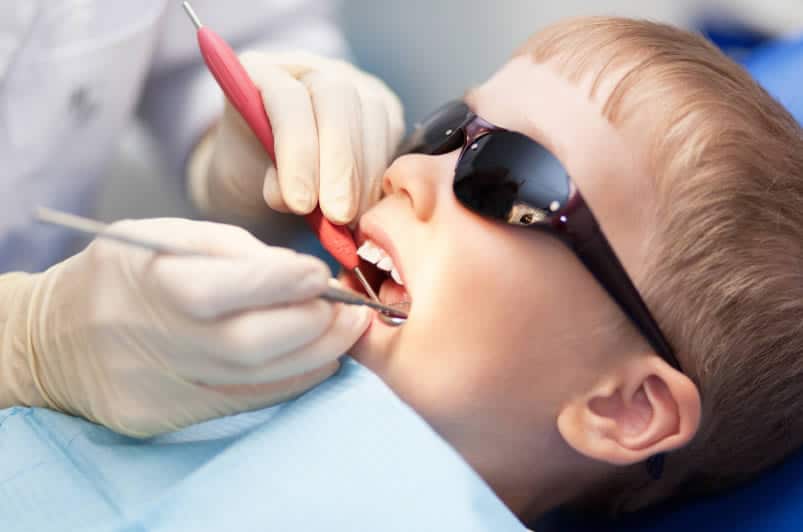
Laser dentistry offers a modern, comfortable way to address many dental concerns by using focused light energy rather than traditional instruments. At the office of Paul Covell, DDS, patients benefit from advanced BIOLASE® technology, extensive clinical training, and a compassionate, patient-first approach.
From treating gum problems to preparing teeth for restorations, laser techniques allow for precise care with minimal discomfort. Whether you’re looking for faster recovery, reduced noise and vibration, or a more relaxed experience overall, Dr. Covell brings experience and community-driven dedication to every visit.
Issues Laser Dentistry Can Treat
The use of lasers allows many dental procedures to be performed with great precision, few complications, and very little pain. Lasers can help with:
- Cavity detection
- Tartar removal
- Dental fillings
- Gum surgery
- Dental implants
- Teeth whitening
- Removal of benign tumors
Dr. Covell uses lasers in combination with traditional practices to improve the treatment of various hard- and soft-tissue problems. When used for soft-tissue procedures, such as gum contouring, the BIOLASE diode laser emits a wavelength that is absorbed by water and hemoglobin (the oxygen-carrying protein in blood). This enables the diode laser to precisely cut, coagulate, ablate, or vaporize targeted soft tissue.
For hard-tissue procedures, Dr. Covell now uses the BIOLASE WaterLase iPlus for the removal of tooth decay, cavity preparation before filling, tooth preparation before applying sealants, activating tooth whitening products, and other procedures.
Benefits Of Laser Dentistry
 Benefits of laser dentistry over traditional dentistry may include:
- Minimal or no need for an anesthetic
- Little or no bleeding
- Faster treatment time
- Reduction in bacterial infections
- Less post-operative pain and swelling
- Less damage to the surrounding tissue
- Reduced need for medications or antibiotics after treatment
Laser Dentistry Candidates
The ideal candidates for laser dentistry are patients with cavities or nerve damage, or those seeking dental treatment and interested in a shorter recovery time than with traditional dental procedures.
Candidates should be in overall good health, non-smokers, and have no underlying health conditions that may be affected by the use of laser technology. With realistic expectations in mind, patients will be able to enjoy the results of their improved oral health and smile after fully recovering from their laser dentistry treatment.
Laser dentistry is also safe for children, and there is no age limit to using laser technology to treat younger patients. If you are pregnant or planning to become pregnant, however, we ask patients to wait at least six weeks after giving birth to begin laser treatments.
If you have fillings, crowns, or excessive tooth decay, laser dentistry may not be the right treatment for you. However, Dr. Covell offers a wide range of high-quality dental services to help treat more serious oral conditions.

Types Of Lasers Used In Laser Dentistry
The two most common types of lasers used by dentists are:
- Hard-Tissue Lasers: Hard-tissue lasers are used to cut into teeth and bone with great accuracy. They are often used to shape teeth for composite bonding, remove small amounts of tooth material, and repair dental fillings. They can also excavate deep pits and fissures in the molars before they’re filled with sealants.
- Soft-Tissue Lasers: Soft-tissue lasers can kill bacteria and stimulate tissue regeneration. Periodontists commonly use them in procedures to treat the gums. They can also expose unerupted permanent teeth in children, free the tongue in a frenectomy, remove tissue from partially exposed wisdom teeth, and treat canker sores and other lesions.
Other types of lasers can also be used to view the insides of teeth to detect cavities and other internal teeth-related issues.
Laser Dentistry & Periodontal Disease
Laser dentistry offers many benefits, but it’s particularly useful in treating periodontal disease.
When cleaning periodontal pockets, the laser vaporizes infected tissue, disinfecting the area and triggering tissue re-growth at the same time. As the laser energy penetrates the gum tissue, it instantly seals blood vessels and nerve endings. This dramatically reduces post-procedure pain and encourages faster healing.
Dr. Covell uses lasers for:
- Root planing and scaling
- Removing bacteria and infected tissue from periodontal pockets
- Reshaping the gums to reduce periodontal pockets
- Enhancing reattachment of the gums to the tooth root
- Contouring the gums
Is Laser Dentistry Painful?
 Lasers are powerful, and this can intimidate patients. However, it’s the very power of the laser energy that makes laser dentistry with Dr. Covell more comfortable than traditional methods for many procedures.
Because the laser wavelengths are absorbable by water and hemoglobin, the laser energy can instantly vaporize infected gum tissue without the need for a scalpel. As the energy instantly coagulates the blood vessels and seals nerve endings, there is dramatically less pain, and the incisions usually don’t require sutures.
Patient Testimonial
“You guys are the best! I know I am in good hands with people who care about me and my dental health. Plus you are so personable and fun! Not many people can say that about going to the dentist. You seem to have the most updated equipment (and know how to use it). You guys are a far cry from my childhood visits to the dentist or my experiences when I lived elsewhere. Keep up the good work!”
Are There Any Risks of Laser Dentistry?
Any time incisions are made in the gums, there is a risk of infection. However, Dr. Covell loves that using lasers for some of these incisions, such as removing diseased gum tissue, actually lowers the risk of infection.
Unlike conventional dental tools, which must be sterilized after each use to prevent infection, medical lasers instantly sterilize the soft or hard tissues they contact. Plus, the accuracy of dental lasers is unmatched, dramatically reducing the risk of unintended tissue damage.
With laser dentistry, it is extra important to consult a professional dentist to determine your candidacy before rushing in to be treated. If not properly evaluated, patients may experience damage to the gum tissue, the tooth pulp, or the eyes.
How Much Does Laser Dentistry Cost?
A dental laser treatment can typically cost between $200 and $400. However, the results and procedure of a laser dental treatment compared to a normal dental treatment often prove a worthwhile investment for most patients.
Laser dentistry is typically covered by insurance. Check with your healthcare provider to find out if you qualify for full coverage for your laser dental treatment.
Why Choose Paul Covell, DDS, for Laser Dentistry in Pasadena?
Dr. Paul Covell offers laser dentistry backed by deep local roots and decades of clinical dedication. A Pasadena native, he combines hometown compassion with advanced training from the University of Notre Dame, the University of Texas Dental Branch at Houston, the L.D. Pankey Institute, and the Las Vegas Institute.
Dr. Covell’s professional involvement spans the American Dental Association, Texas Dental Association, Greater Houston Dental Society, and multiple Academy of General Dentistry chapters, where he has earned Fellowship status. Patients from Pasadena and Deer Park appreciate his long-standing community service, commitment to ongoing education, and modern approach to comfortable care.
FAQs
Can Laser Dentistry Help Patients With Dental Anxiety?
Yes. Many people with dental anxiety find laser dentistry more comfortable because it allows them to avoid the noise, vibration, and pressure commonly associated with drills.
The laser’s precision allows Dr. Covell to complete many treatments with little or no anesthesia, which helps anxious patients feel more relaxed during their appointment. In many cases, the gentler approach also means shorter appointments and fewer post-procedure sensations that might otherwise cause stress.
For patients who have delayed dental care due to fear, laser technology can make returning to the dentist feel far less overwhelming and help them maintain better long-term oral health.
Is There Any Special Aftercare Required Following a Laser Dental Procedure?
Most patients experience an easier recovery after laser treatment, but some basic aftercare is still recommended.
Dr. Covell may suggest avoiding spicy foods, alcohol, or very hot beverages for a short period to allow the treated area to settle. Keeping the mouth clean by gently brushing and rinsing is also important. Vigorous brushing near the site should be avoided for a day or two.
Because the laser disinfects the tissue as it works, healing often progresses quickly. If any temporary tenderness appears, it typically resolves on its own within a short timeframe.
Does Laser Dentistry Produce Heat or Vibration During Treatment?
Dental lasers work differently from drills, so they do not produce the vibration, pressure, or high-pitched sound that many patients dislike.
Some lasers may emit a mild warmth during treatment, but most people describe the sensation as minimal and far more comfortable than traditional tools. Water-assisted systems, such as those used by Dr. Covell, help keep the tooth cool during hard-tissue procedures.
This gentler experience makes laser dentistry appealing for people who are sensitive to temperature changes, noise, or the physical sensations of dental instruments.
Are There Certain Types of Cavities That Cannot Be Treated With a Dental Laser?
While lasers can treat many early to moderate cavities, they may not be suitable for every situation. Very large areas of decay or cavities located beneath existing restorations typically require traditional tools for full access and removal. Deep cavities that extend close to the nerve may also need a different approach to protect the tooth’s structure.
During your initial exam, Dr. Covell will evaluate the cavity’s size, depth, and location to determine whether a laser is appropriate or if another method would offer better results and long-term stability.
Do Dental Lasers Affect Existing Fillings, Crowns, or Implants?
Dental lasers can be used safely around most existing restorations. They do not harm metal fillings, crowns, or dental implants, though they may not be able to remove or modify these materials.
A laser can still be used to treat the natural tooth structure or soft tissues surrounding the restoration. For example, it can clean decay around a filling or prepare the enamel near a crown without altering the restoration itself.
Schedule a Consultation in Pasadena
Ready to schedule an appointment? Dr. Covell is a highly experienced dentist whose expertise in oral health has allowed patients in the Pasadena, TX, community to achieve brighter smiles. To learn more about laser dentistry or book a consultation, contact us at (713) 943-9832.